2026-10-07
A batch of laminated menu cards leaves the machine looking perfect. Three weeks later the trimmed edges have lifted, and the corners curl the moment a customer peels at them. In most of these cases the base film is not the problem. The bond is. Adhesive laminating film is only as good as the adhesive layer inside it, and that layer is often chosen on price per kilogram instead of peel strength, coat weight and behaviour on the specific stock being covered.
The short answer: for uncoated paper and light board, an EVA hot-melt adhesive layer of roughly 8-15 g/m2 bonded at 90-130 °C covers the majority of jobs at the lowest cost per square metre. Switch to a water-based acrylic or a liner-backed pressure-sensitive construction when the surface is coated, recycled, plastic, or too heat-sensitive to pass through a hot nip. The rest of this guide explains how those layers are built, what the numbers on a data sheet actually mean, and where real failures come from.
The term describes any film in which bonding comes from a dedicated adhesive layer rather than from the base polymer alone. That layer can be co-extruded with the base film, coated onto it as a water-based or solvent dispersion, or supplied on a silicone release liner as a pressure-sensitive system. Three structural families dominate the market:
The distinction matters, because the process window, the bonding mechanism and the failure modes are completely different across the three. A specification written for one will not transfer to another.
Match the system to the substrate and the machine first, then negotiate thickness and price. The four systems below cover nearly all commercial adhesive laminating film, and each has a narrow band where it is clearly the right choice.
| Adhesive system | Activation | Typical peel (N/25 mm) | Strong fit | Main risk |
|---|---|---|---|---|
| EVA hot melt | 90-130 °C plus nip pressure | 5-10 | Uncoated and lightly coated paper, board, high-speed rolls | Curl and bubbles on heat-sensitive or heavily inked stock |
| LDPE extrusion coating | Extrusion at high temperature, immediate nip | 3-6 | Packaging, thick board, moisture-resistant structures | Lower clarity; needs an extruder rather than a laminator |
| Water-based acrylic (cold) | Pressure only, then a cure period | 6-12 | Inkjet and toner prints, photographs, heat-sensitive substrates | Slower throughput; the cure window must be respected |
| Acrylic or rubber PSA on liner | Hand or roller pressure | 10-15 | Short runs, ID cards, pouches, peel-and-stick formats | Liner waste; exposed edges collect dust before application |
Peel values depend on substrate and test conditions as much as on chemistry, so always ask for the test substrate alongside the number.
Bond strength is quoted as 180 degree peel, measured to a standard such as ASTM D903 or FINAT FTM 1 and expressed in newtons per 25 mm of width. Ask for the test method and the substrate before comparing two suppliers. A figure produced on uncoated woodfree paper and a figure produced on coated art board are not the same claim.
Five variables move that number more than the adhesive chemistry itself:
No adhesive leads on every axis. An EVA hot melt runs fastest and costs least per square metre, but it is the weakest on heat resistance once laminated. A liner-backed pressure-sensitive adhesive delivers the highest peel and needs no heat at all, but it costs more and cannot run at web speeds. The chart below plots the three most common choices against the five factors that drive most purchasing decisions.
Read it as a trade-off map rather than a ranking. If the finished product is a card that will sit in a wallet for two years, the PSA corner is where you land. If it is a folded carton on a high-speed line, the EVA corner wins.
Thermal film needs heat and a nip roller, runs at high speed, and produces a bond that can be trimmed and packed within minutes. Cold adhesive film needs no heat at all: the acrylic layer bonds under roller pressure and then cures over roughly 12 to 24 hours to reach final strength.
The practical threshold: if the print is toner-based, or the substrate is heat-sensitive or heavy, cold is usually the safer route. If you are running large volumes of uncoated paper at speed, hot melt is almost always cheaper per square metre. For a closer look at how the two processes differ on the machine, see the difference between thermal and cold laminating film.
Substrate behaviour, not the film's headline specification, decides whether a lamination survives handling.
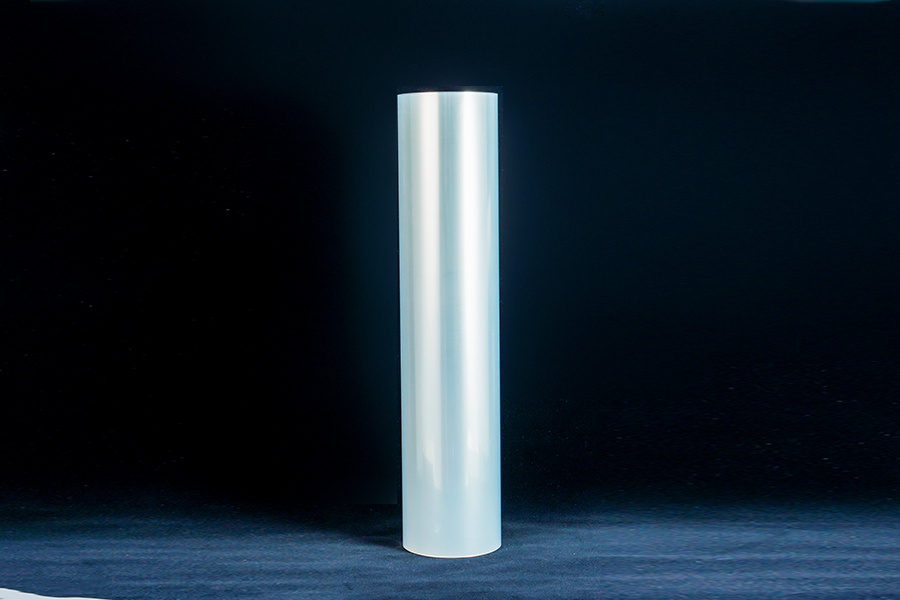
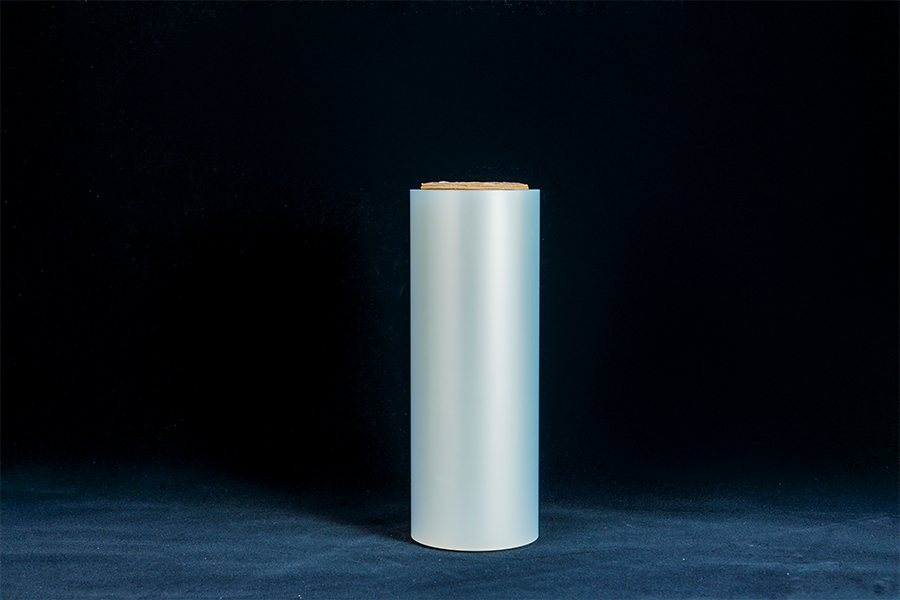
 High-Bonding Laminating FilmHigh-bonding Laminating film is produced with specialized processing and tackifying technology. Its higher adhesive strength helps meet premium customers' requirements...View Product →
Where a standard grade keeps failing on coated or recycled stock, a high-bonding construction with a heavier coat weight and a softer adhesive formulation is usually cheaper than adding a primer step to the line.
Adhesive laminating film is also specified for what the finished surface has to do, not only for how well it sticks.
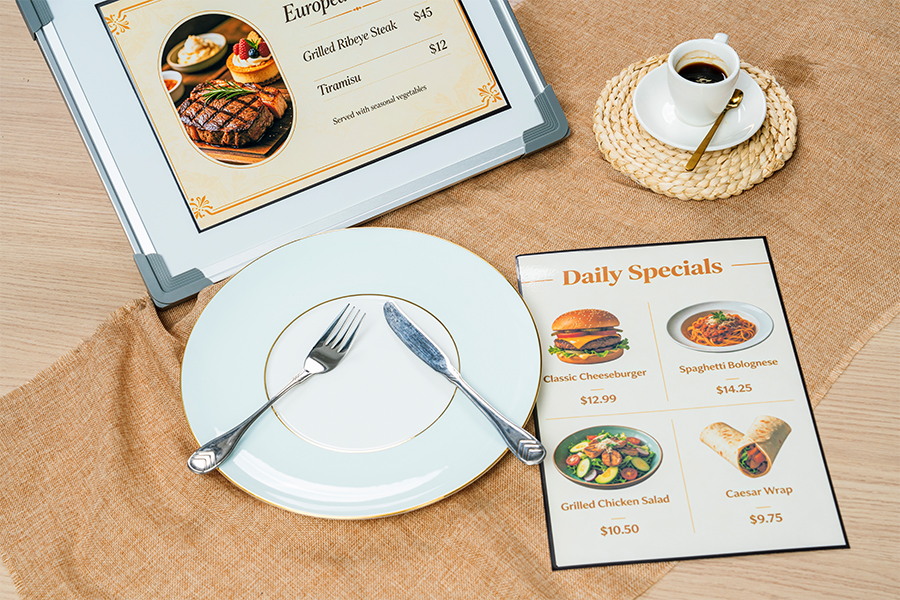
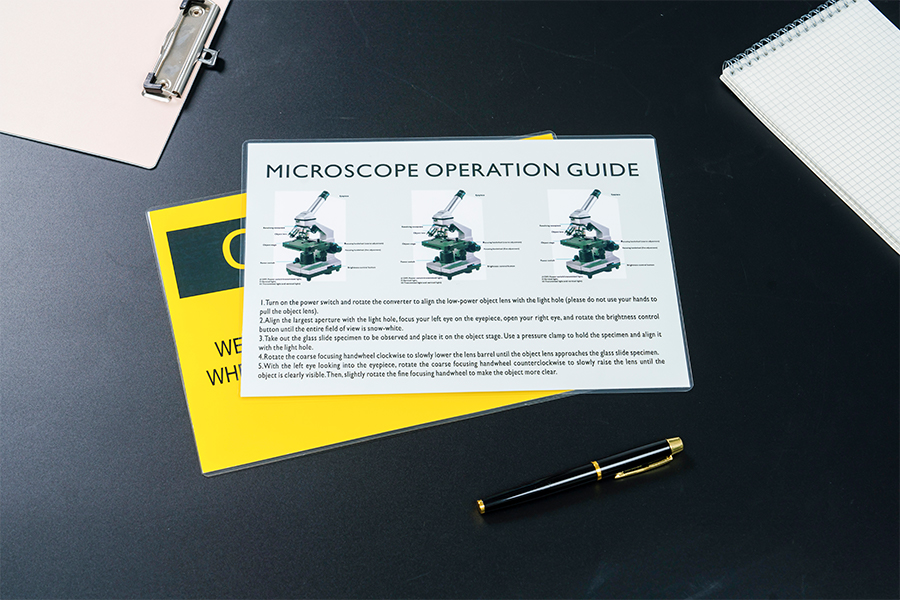 Anti-Bacterial Laminating FilmAnti-bacterial Laminating film is designed for restaurants and other hygiene-sensitive environments. The antibacterial coating is applied to the PET surface for long-l...View Product →
These are additive and coating decisions made at the extrusion or coating stage, so they have to be specified before the roll is produced rather than selected from stock afterwards.
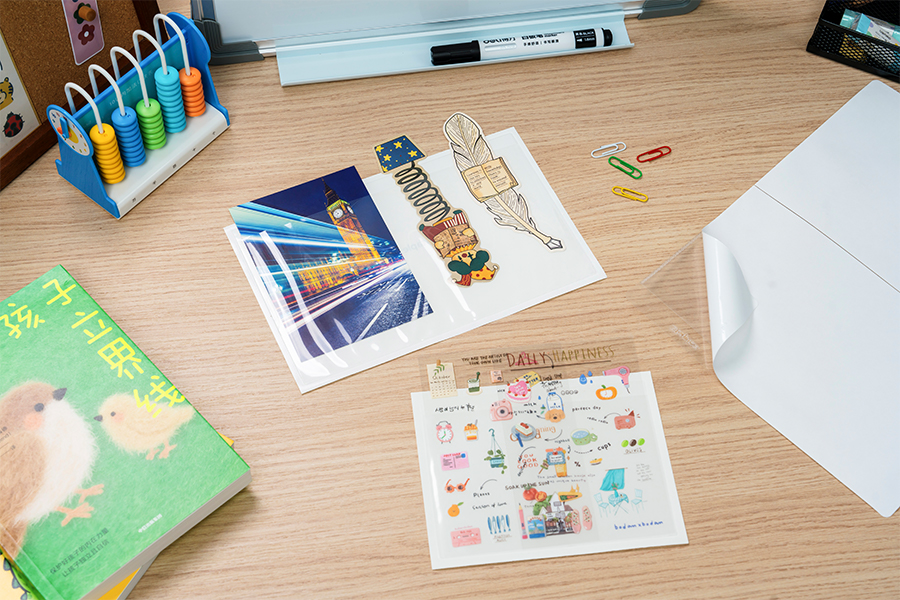
Not every job justifies a laminator. Liner-backed self-adhesive film and self-laminating pouches let an operator protect a document, badge or photo page by hand: peel the liner, press the film down, smooth out the air. They are slower per sheet but cost nothing in equipment, which is why they dominate short-run ID cards, sample books and craft products. Point-break self-adhesive film goes further by letting the operator tear a sheet off a roll without a guillotine.
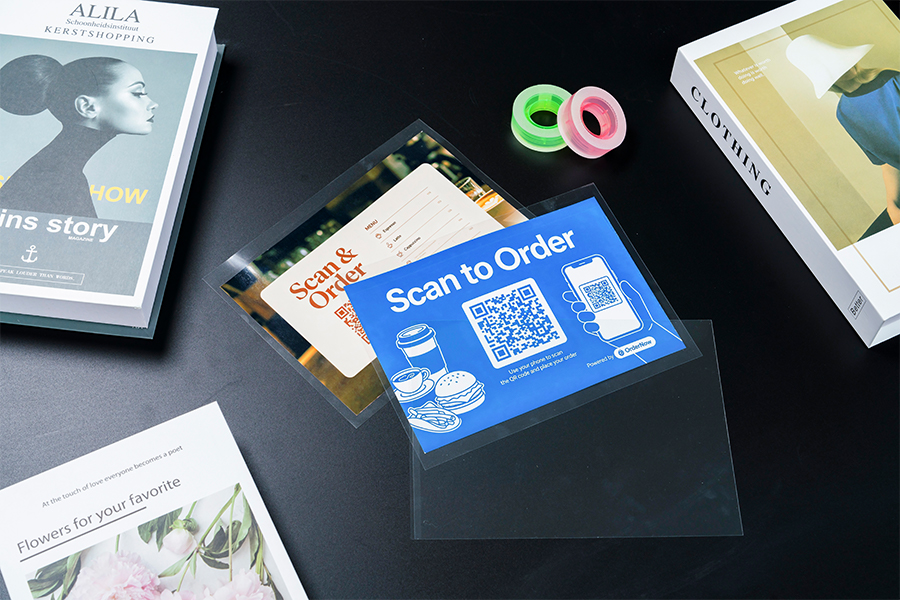 Easy Lamination FilmEasy Laminating film is a one-sided cold Laminating film intermittently coated with high-quality PET film and backed with transparent PET release film. No heat or Lami...View Product →
The trade-off is consistency. Hand application will never match a nip roller for edge quality, so the adhesive on these products is formulated to be more forgiving, softer and slightly thicker than a machine-grade layer.
A data sheet that omits a test method is not a specification. Before approving a roll, confirm each of the following in writing:
Ask who extrudes the film and coats the adhesive. Suppliers that control extrusion, coating, slitting and packing in-house can hold tolerances that traders buying finished rolls cannot. Ten extrusion coating lines and an annual capacity above 30,000 tonnes sit behind our own manufacturing base, which is worth comparing against any quote you receive.
Q1. What is adhesive laminating film made of?
A base film such as BOPP or BOPET plus an adhesive layer, which is usually EVA hot melt, LDPE or acrylic. Liner-backed self-adhesive versions add a silicone release liner.
Q2. What is the difference between thermal laminating film and self-adhesive laminating film?
Thermal laminating film needs heat of roughly 90-130 °C and a nip roller. Self-adhesive laminating film bonds under hand pressure and comes on a release liner, so no machine is required.
Q3. What peel strength should adhesive laminating film have?
For paper and board, 5-10 N/25 mm measured by 180 degree peel is usually enough. Coated, plastic or recycled substrates typically need 8-15 N/25 mm.
Q4. Why does laminating film peel at the edges?
Most often too little adhesive at the trim, a nip temperature below specification, or heavy ink coverage acting as a release layer. Rolls stored above 30 °C also lift early.
Q5. What thickness of adhesive laminating film should I buy?
Match total thickness to the job: 25-35 micron for flexible documents, 45-75 micron for cards and menus, and 80-125 micron for rigid signage and frequently handled items.
Q6. Can adhesive laminating film be used on laser-printed paper?
Yes, but choose a low-temperature thermal grade or a cold adhesive. Standard hot melt at a high nip temperature can disturb toner and cause image cracking.
Wholesale Laminating Film Roll Manufacturers





 English
 русский
 Español
 Português