2026-05-20
In the fields of office supplies, advertising graphics, DIY creative products, and educational materials, laminating film and cold laminating film are both very common coating materials.
Many users, upon 1st encountering them, may think they "look similar," or even believe that "one requires heating, and the other doesn't."
However, in reality, there are significant differences between the two, from material structure and lamination process to the final effect.
Especially in today's increasingly segmented creative, educational, and advertising industries, choosing the right laminating material is no longer just about ease of use; it directly affects the texture, durability, and long-term stability of the finished product.
We will systematically analyze the differences between laminating film and cold laminating film from multiple aspects, including material structure, usage methods, and applicable scenarios.
I. What is Laminating Film?
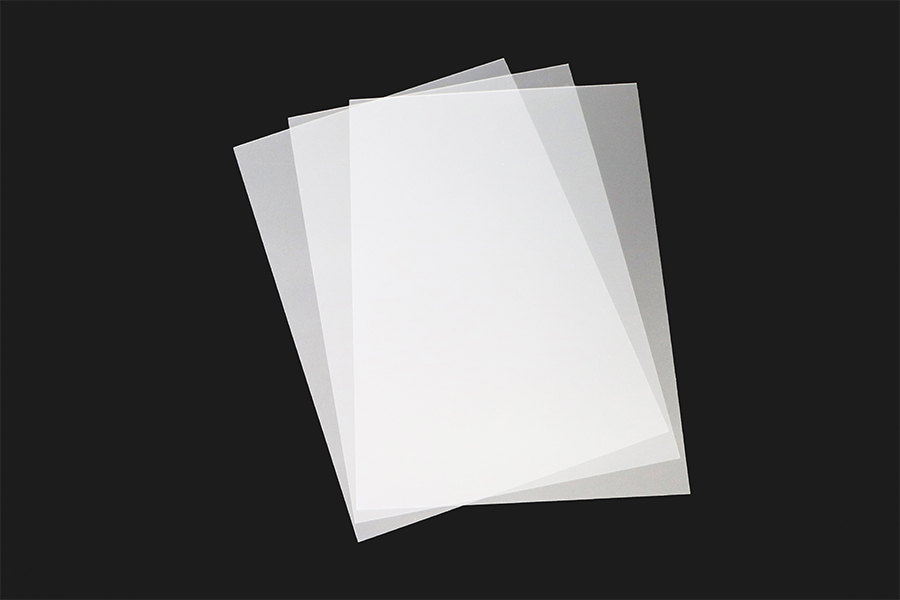
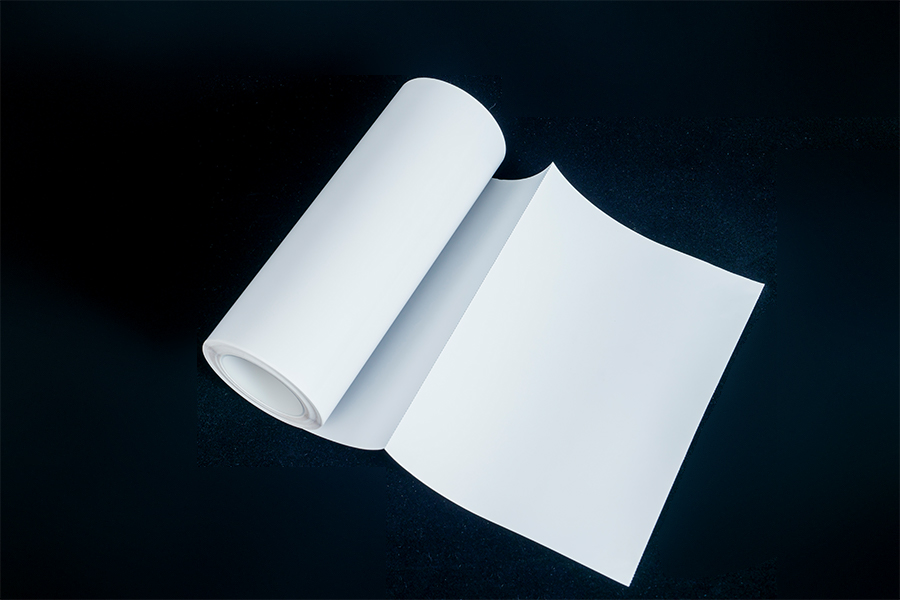
Laminating film is also called thermoplastic film, card protector film, or coating film.
Currently, mainstream laminating films typically use a PET base layer + EVA hot melt adhesive layer composite.
The film consists of: • PET, responsible for transparency, stiffness, and abrasion resistance; • EVA, which melts upon heating and bonds with the paper.
Laminating film typically requires heating using a laminating machine; hence, it is also known as "heat lamination" or "thermoplastic film."
After lamination, the paper is completely encased within the film layer,
achieving: • Waterproofing • Stain resistance • Moisture resistance • Abrasion resistance • Increased stiffness • Long-term preservation
II. What is cold lamination film?
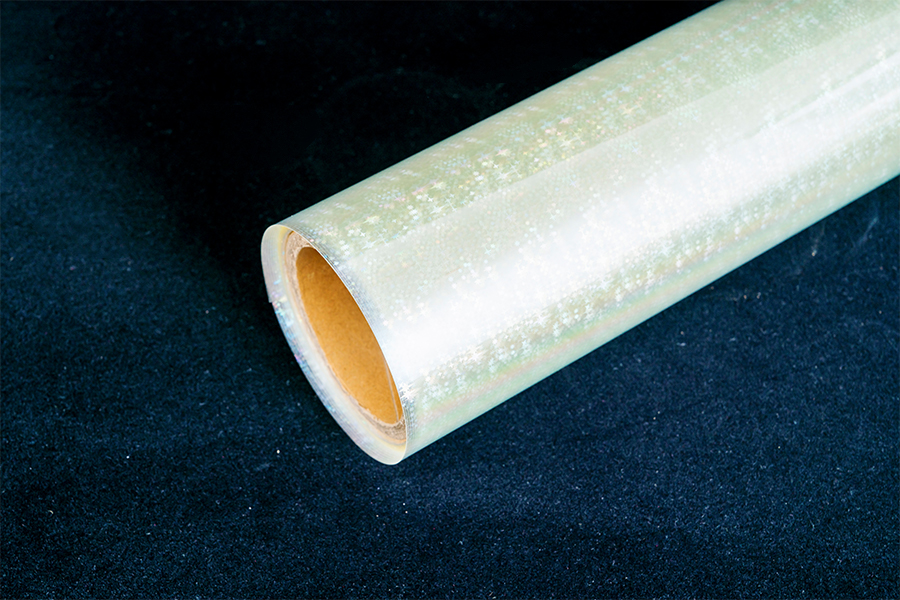
Cold lamination film is a laminating material that can be applied without heating. Its core structure typically includes: • A PET or PVC surface layer • A pressure-sensitive adhesive layer • A release liner. The biggest difference from laminating film is that cold lamination film has its own adhesive layer, eliminating the need for heat to melt the adhesive; instead, it is bonded directly under pressure. To use, simply peel off the release liner to apply the lamination. Therefore, the biggest advantages of cold lamination film are:
• No laminator required
• Simple operation
• More suitable for DIY projects
• Single-sided lamination is possible
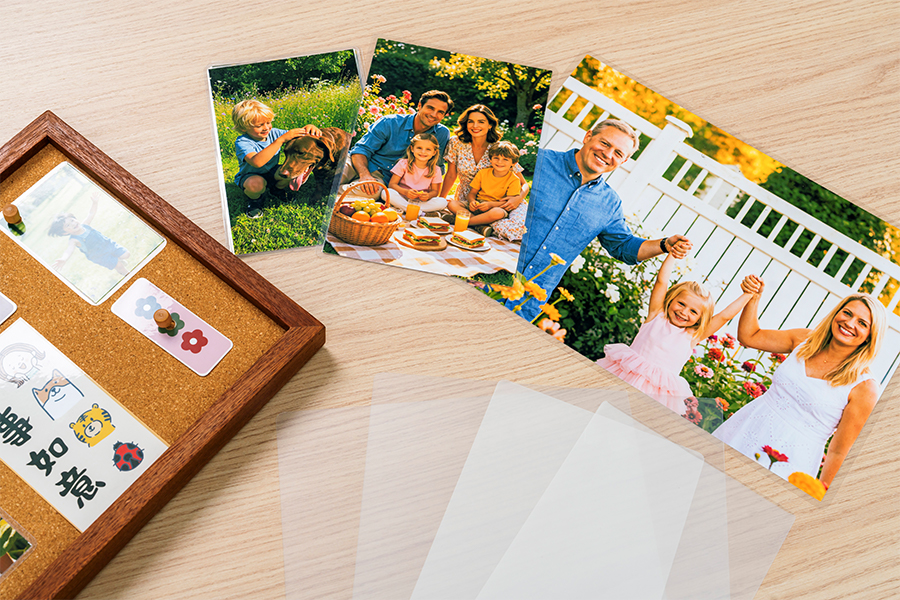
It is now widely used in journaling, photocards, quiet books, cultural and creative decorations, advertising photography, and temporary displays.
While both laminating film and cold lamination film appear to be "lamination materials," they essentially employ two different composite logics: one relies on hot melt adhesive for high-temperature lamination; the other relies on pressure-sensitive adhesive for room-temperature lamination.
Neither is inherently better or worse; the key lies in whether the application scenario matches. For WONLAMI Laminating, stable material structure, uniform adhesive layer control, and automated lamination processes are crucial to the core quality of our products.
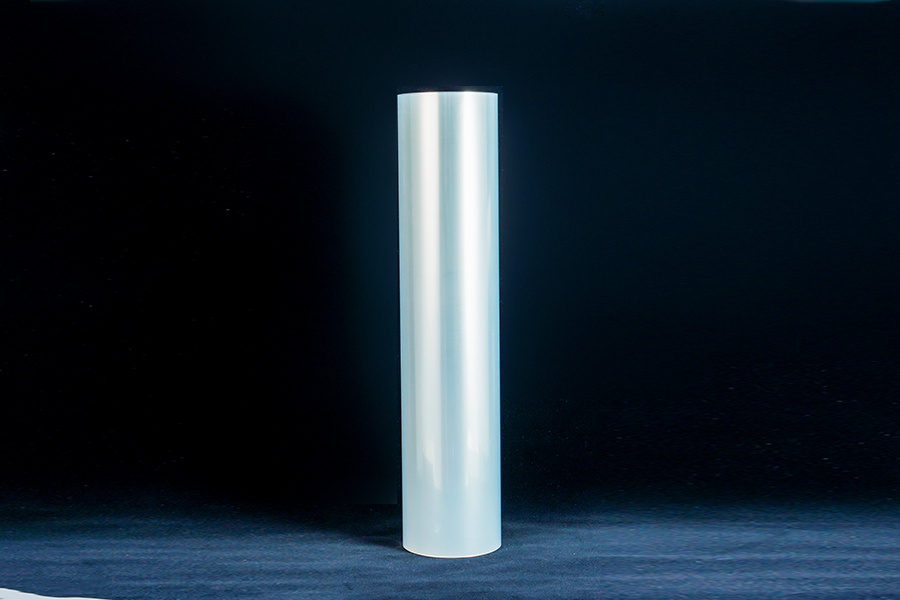
Wholesale Laminating Film Roll Manufacturers





 English
 русский
 Español
 Português