2026-10-21
A box that looks rich under a shop spotlight can feel thin and slippery in a customer's hands. That mismatch is why printers and brand owners specify silk touch laminating film: a BOPP-based laminate with a low-sheen, velvety surface that changes both hand feel and perceived value. The practical answer is to judge it by surface performance first and thickness second. Thickness supports structure and runnability, but the soft-touch coating and adhesive system decide whether the finish feels dry, hides fingerprints, and survives folding, stacking, and shipping.
Silk touch is not a single recipe. It is a family of soft-feel laminates, and two samples with the same micron count can feel different, scuff differently, and laminate at different machine settings. Buyers should ask for a sample pack, a written gloss and adhesion target, and a trial on the actual press and paper stock before approving a production run.
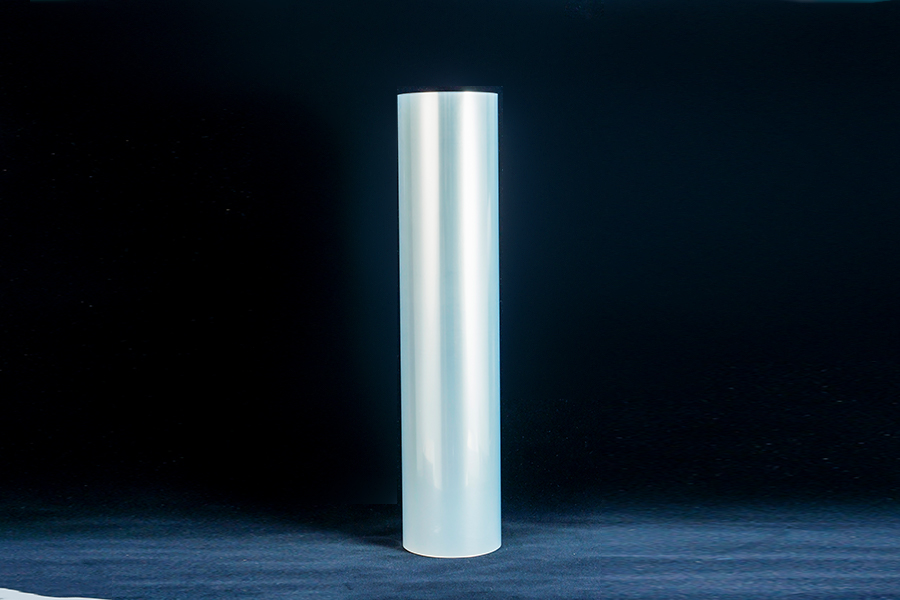
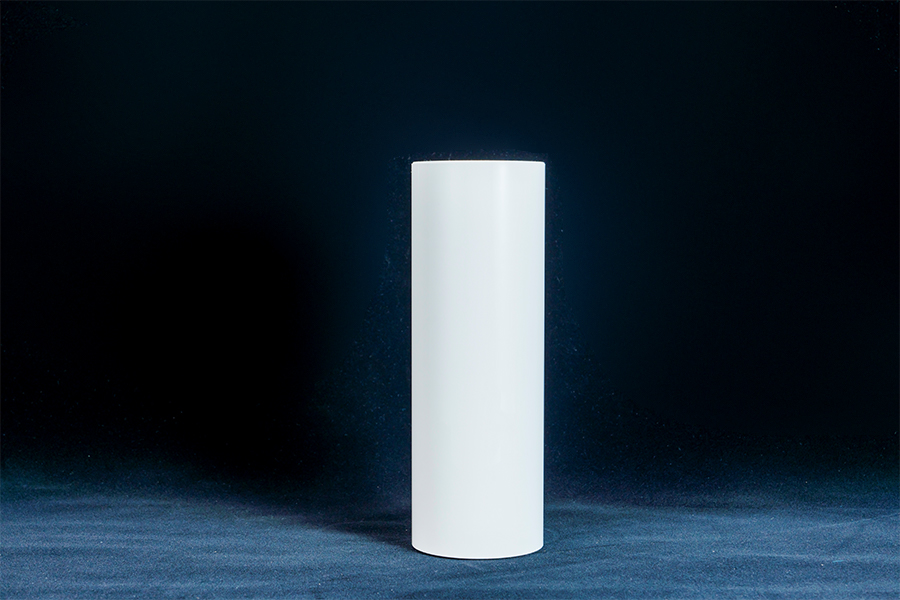
 Silk Touch Soft-Feel Laminating FilmSoft-touch PET/BOPP laminating film with EVA adhesive for low-glare, velvet-like finishes; worth sampling and press-trialing before production.View Product →
Most silk touch laminating film uses a BOPP carrier film with a matte or soft-touch coating. The BOPP gives dimensional stability and moisture resistance; the coating creates the velvety, low-glare hand feel. It is usually applied over printed paper or board by thermal lamination, although cold and self-adhesive variants exist for heat-sensitive work. The finish sits somewhere between gloss and standard matte: less reflective than gloss, but with a fuller, softer touch than many matte films.
Industry finishing guides commonly describe silk lamination as a BOPP-based soft-touch finish, and that is a useful starting point for a specification conversation. It is not a guarantee that every silk film will behave the same on every press.
| Finish | Hand feel | Glare | Fingerprint visibility | Scuff appearance | Typical fit |
|---|---|---|---|---|---|
| Gloss | Smooth and slick | High | Low hiding | Scuffs can look shiny | Photo covers, vivid labels |
| Matte | Dry, paper-like | Low | Moderate hiding | Scuffs can lighten | Minimal design, reading materials |
| Silk touch | Soft and velvety | Very low | Good hiding | Scuffs less obvious | Premium cartons, book covers, cards |
Micron count gets too much attention in quotes because it is easy to compare. It sets body, stiffness, and machine runnability, but it does not tell you how the surface will feel. A thin silk film from one supplier can feel powdery, while a similar film from another can feel closer to fine velvet. The difference comes from coating weight, resin chemistry, surface topography, and adhesive.
For packaging, the finish affects more than touch. A low-glare surface can make dark ink look deeper and reduce the harsh reflections that show handling marks. A soft-touch coating can mask fine fingerprints and small scuffs, which matters on book covers, rigid gift boxes, and premium cartons that pass through many hands. It will not make a weak board rigid or replace a hard coat in a rough industrial environment.
The commercial risk is approving a film by a single number. Ask for the same substrate, ink, and laminator settings in the trial. Check initial adhesion, crease performance, and scuff after 24 hours, not only straight off the machine.
Silk touch is most defensible where the buyer touches the piece before buying. Premium folding cartons, book jackets, business cards, swing tags, menu covers, and direct mail are common fits. It can lift a simple design without adding foil, embossing, or extra print passes. It is less suitable for outdoor signage, heavy-duty floor graphics, or applications where abrasive contact is constant and a hard-coated film is the better choice.
Use it as a sensory layer, not a problem solver for every surface issue. If the job needs writeability, anti-static performance, or high scuff resistance, specify those functions separately and test the combined construction.
A useful brief is shorter than a catalogue and more specific than "silk touch film." Include:
That list prevents the most common mismatch: a film that feels right in a hand sample but fails at production speed.
Silk touch coatings can show roller marks, heat marks, and tension lines more readily than gloss. Start with a clean nip, balanced pressure, and a temperature ramp confirmed on the actual stock. Too much heat can flatten the soft feel; too little heat can leave poor initial adhesion. For digital toner, confirm that the toner is fully fused and compatible with the laminate. For heavy ink coverage, test ink cure before running the full job.
Bubbles, ripples, and curl usually point to tension, moisture, or nip issues rather than the film alone. If defects repeat, check roller condition, paper moisture, and winding tension. A short trial roll is cheaper than reworking a full pallet.
WONLAMI's team can review substrate, ink, and finishing route before a sample is made; the company's about page outlines its extrusion coating and lamination background. The useful question is not "which silk film is cheapest?" but "which construction has been proven on my paper, my ink, and my folding line?"
A soft-feel BOPP laminate with a low-glare, velvety surface. It is used to improve hand feel and perceived quality on packaging, covers, and cards.
Matte usually reduces glare and feels drier. Silk touch adds a softer, fuller tactile finish and often hides fingerprints better, but it can cost more and needs a trial on heavy ink.
Often yes, but toner chemistry matters. Confirm fusing, adhesion, and scuff resistance on the actual digital stock; some toners and heavy coverage need a lower-temperature or cold-film route.
Yes, when the crease and fold are tested. Soft-touch coatings can crack or whiten on sharp folds, so specify the crease line, board grade, and minimum fold radius for testing.
It can reduce their visibility compared with gloss, especially on dark colors. It does not eliminate oil marks; handling tests under retail lighting are still needed.
Choose by substrate, stiffness, and converting needs, not by habit. A thinner film may suit cards and book covers, while packaging may need more body; approve the coating feel and adhesion on a production trial.
Wholesale Laminating Film Roll Manufacturers





 English
 русский
 Español
 Português