2026-11-25
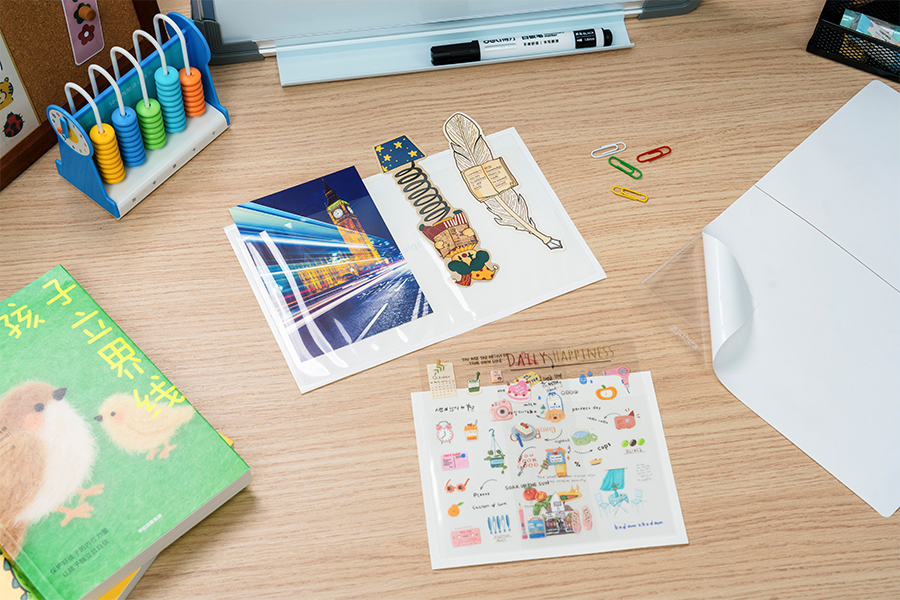
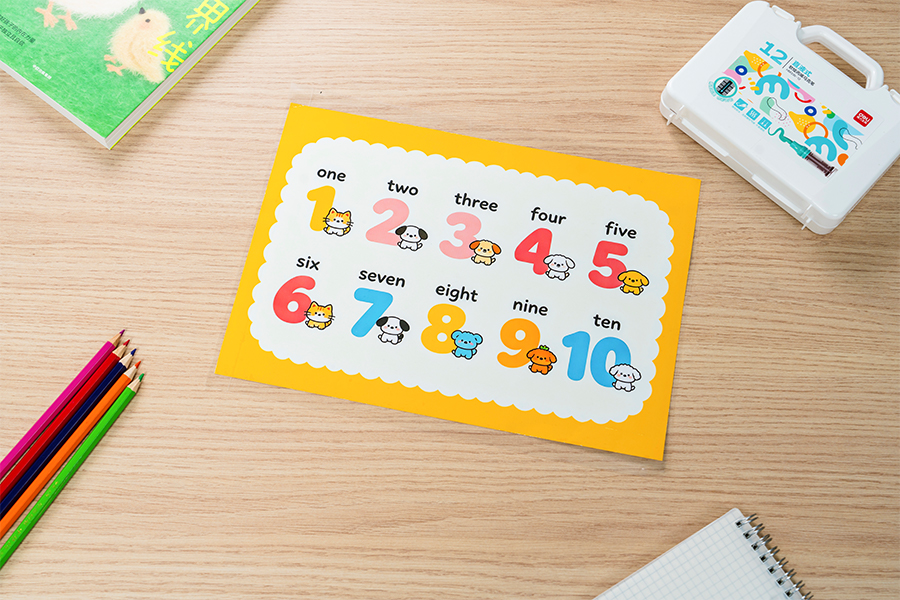
If you are laminating inkjet prints, labels, display graphics or documents that cannot take heat, the real question is not simply “cold or thermal?” It is whether the film has the right adhesive, liner release and surface finish for your substrate. Self adhesive cold laminating film combines a protective face film with a pressure-sensitive adhesive and a release liner. It is applied at room temperature with a squeegee, roller or cold laminator, so there is no heat cycle to distort thin paper, heat-sensitive ink or some vinyl substrates.
That construction suits short-run digital printing, proofing, photo books, signage, packaging mock-ups and office documents. It is not a universal replacement for thermal film. Thermal laminating film relies on heat and pressure to activate an EVA layer; cold film relies on controlled adhesive wet-out and consistent application pressure. For a side-by-side explanation, see cold laminating versus thermal laminating. The difference matters because the wrong choice often appears later as curl, bubbles, haze or adhesive migration after trimming.
For buyers, the specification should start with the printed substrate and the finished article, not with a generic “gloss or matte” request. Paper weight, ink or toner type, sheet size, roll width and expected handling life all influence which self-adhesive cold laminating film will perform reliably.
A typical self-adhesive cold laminating film has three functional layers: a face film, an adhesive layer and a release liner. The face film may be BOPP, PET or another polymer depending on clarity, stiffness and print compatibility. The adhesive is usually an acrylic pressure-sensitive system; the liner protects the adhesive until application. Total thickness, often stated in microns, includes all layers, so comparing only “face thickness” can be misleading.
| Variable | Why it matters | What to confirm |
|---|---|---|
| Substrate compatibility | Controls adhesion and appearance on paper, vinyl or synthetic stock | Request a sample on your actual printed material |
| Total caliper | Affects stiffness, conformability and edge curl | Face film plus adhesive plus liner, with tolerance |
| Adhesive type | Sets initial tack, peel strength and aging behavior | Test method, dwell time and removable or permanent intent |
| Release liner | Affects smooth peeling, flatness and high-speed conversion | Liner type, release force and curl tendency |
| Surface finish | Changes gloss, glare, abrasion resistance and writeability | Approved visual standard and print compatibility |
| Roll format | Determines machine fit, waste and operator handling | Width, core diameter, winding direction and splice limit |
Ask suppliers to state the test method and unit for peel adhesion, initial tack, liner release force and haze or clarity. A single “high tack” claim is not enough. Adhesion that is too aggressive can lift toner or damage delicate print; too low can cause edge lift after cutting. Liner release should be smooth at production speed and should not curl the film as it is peeled. For roll conversion, confirm core diameter, roll width, winding direction, splice policy and maximum roll length.
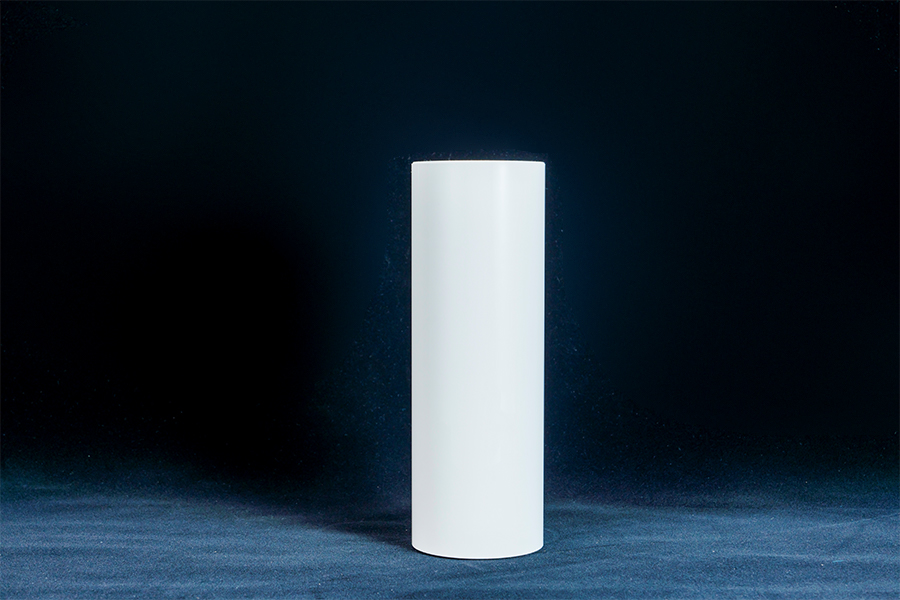
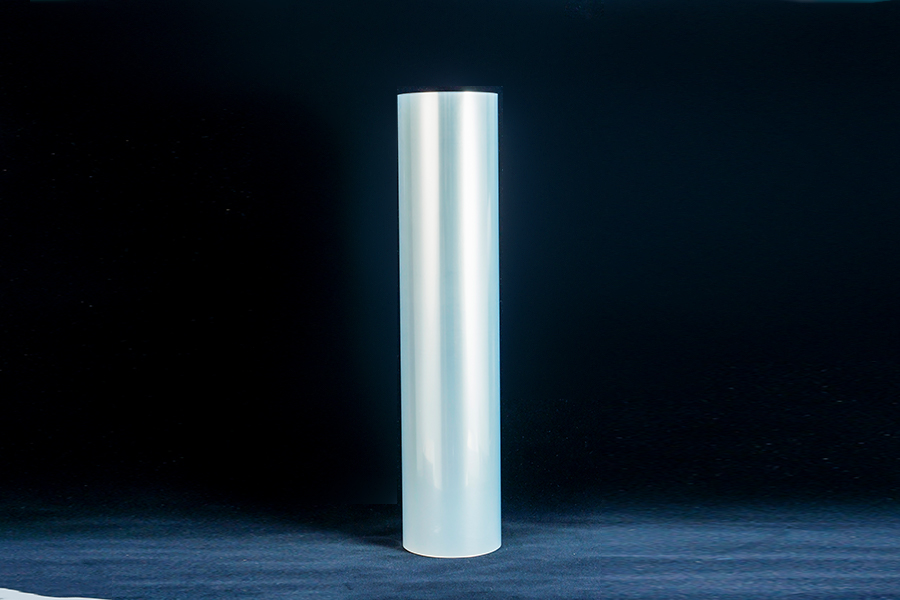 Crystal Clear Cold Laminating Roll FilmOptical PET cold laminating film for photos and signage, with low haze, custom roll dimensions and room-temperature application for checking adhesion and finish.View Product →
Surface finish is a functional choice as well as a visual one. Gloss film gives strong image contrast and is easy to wipe clean, but it shows fingerprints and fine scratches more readily. Matte film reduces glare and can hide surface scuffs, which is useful for reading documents, labels and display pieces handled in bright spaces. A hard-coated surface improves resistance to abrasion and cleaning, while a laser-compatible grade is formulated for toner and laser-printed media rather than inkjet alone.
Adhesive selection follows the same logic. Low-tack or removable systems suit temporary promotions, proofing and repositionable work. Permanent systems suit long-life documents and signage where edge lift is unacceptable. For inkjet prints, confirm that the adhesive and face film do not cause ink migration or bronzing. For laser prints, check toner adhesion after lamination and trimming. Where the finished piece will be written on, specify a writable or whiteboard-compatible surface rather than assuming all matte films accept dry-erase markers.
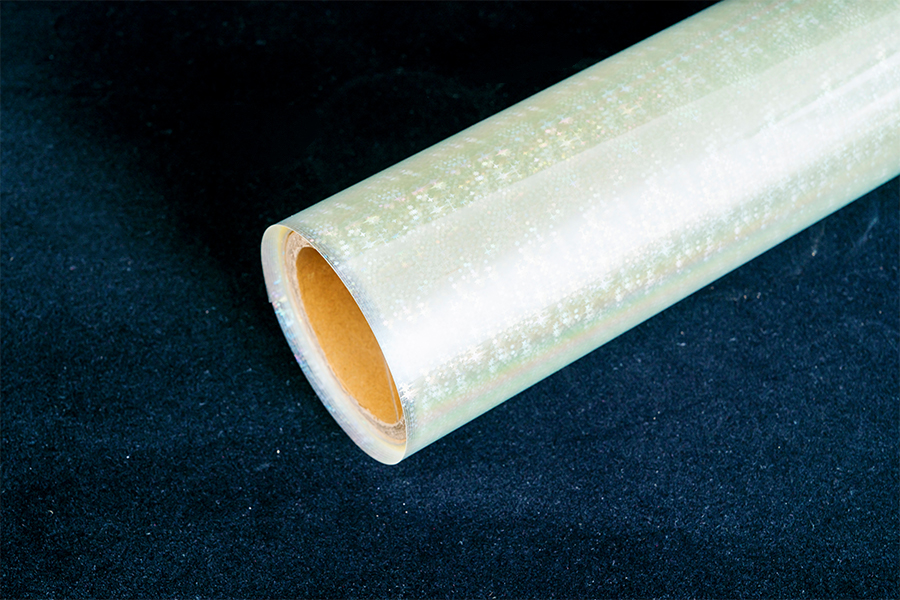 Laser Cold Laminating Roll with Holographic PatternsPressure-sensitive laser PET roll bonds without heat and adds holographic patterns for heat-sensitive prints, labels and display graphics needing custom roll sizes.View Product →
For applications with repeated handling, ask for a sample that has been laminated, trimmed and aged under the intended storage conditions. Visual appearance alone will not reveal adhesive flow or liner release problems.
Cold film is less about heat and more about clean preparation and controlled pressure. Dust, paper fibers and cutting debris trapped under the film are permanent once the adhesive contacts the print. For sheet-fed work, allow printed sheets to dry fully before lamination; solvent or water remaining in the ink can migrate into the adhesive and cause cloudiness or bubbles. For roll work, set nip pressure and unwind tension according to the film caliper and substrate. Too much tension stretches the film and creates curl after trimming.
Start from one edge and use a squeegee or roller with overlapping strokes. On large sheets, a cold laminator gives more consistent pressure than hand application. Trim only after the film has had time to relax; immediate trimming can pull the adhesive and expose edges. Store unused rolls in a clean, dry area, keep the liner intact and avoid stacking heavy items on the roll face. If the workshop is humid, condition the film in the production area before opening the packaging to reduce condensation-related defects.
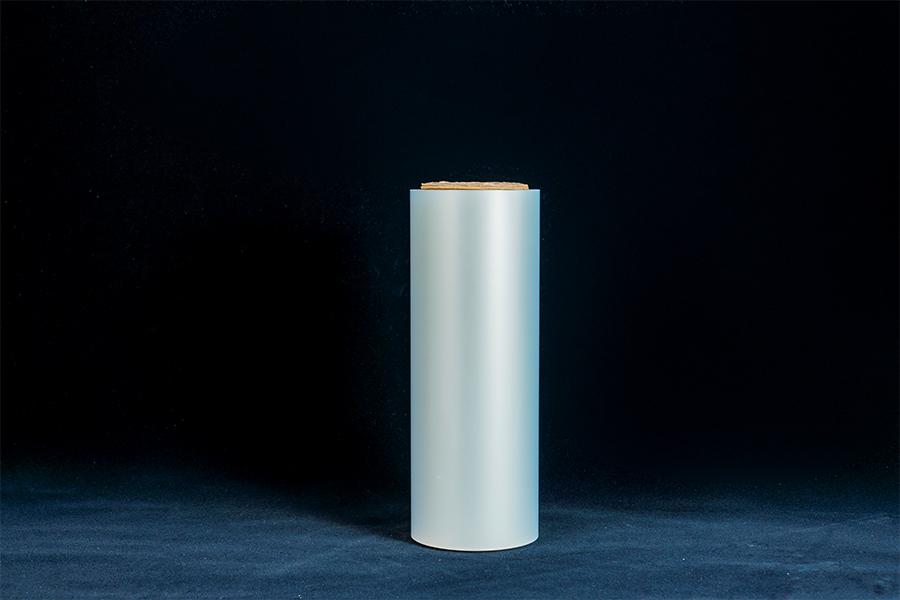
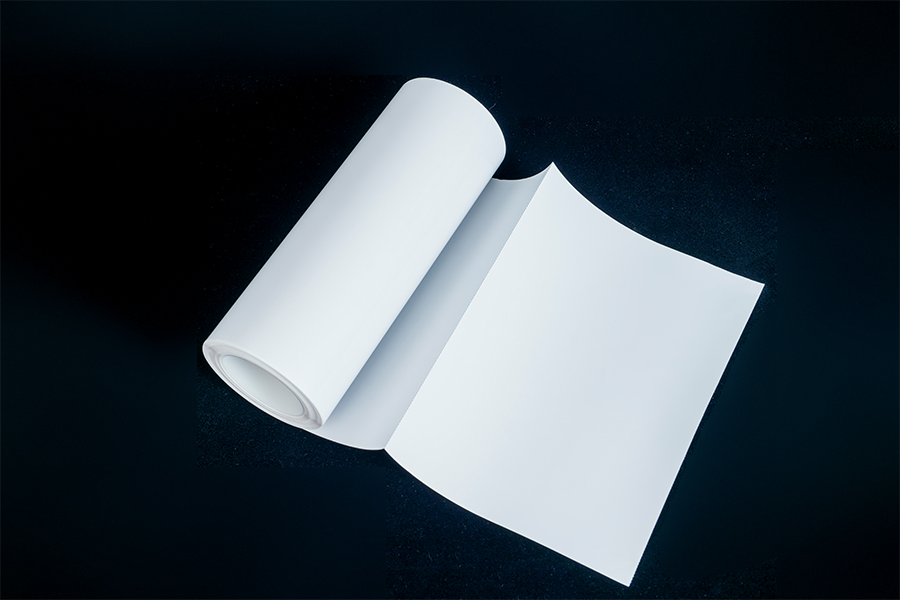 Point Break Self-Adhesive Protective FilmHand-tearable PP/PET protective film with acrylic adhesive for book covers, documents and labels, available in custom roll widths and perforation spacing.View Product →
Bubbles and water ripples are not one defect. Small, regular bubbles across a sheet often point to trapped air or uneven pressure. Cloudy patches can come from wet ink, adhesive incompatibility or condensation. Edge lift after trimming may indicate insufficient adhesion, contaminated edges or excessive web tension. Curl usually relates to film stiffness, liner tension or a mismatch between face film and substrate. Before blaming the film, record substrate, ink, dwell time, nip pressure, temperature and humidity.
Quality checks should include peel strength after a defined dwell time, liner release, dimensional stability, haze or gloss against an approved sample, and visual inspection under consistent lighting. For OEM orders, agree on an AQL sampling plan, defect classification and retained reference samples before mass production begins. This is more useful than a one-off laboratory report that is not tied to the production lot.
For a buyer sourcing self adhesive cold laminating film, the supplier’s coating and converting discipline matters as much as the film sample. Ask how the adhesive is coated, how liner release is controlled and how rolls are slit and wound. A manufacturer with in-house extrusion, coating, slitting and packaging can usually control width tolerance, splice frequency and lot consistency more tightly than a trader assembling rolls from multiple sources. A factory and production overview should show the actual lines and inspection points, not only a product list.
Custom manufacturing requests should specify the face film, total caliper, adhesive type, liner, surface finish, roll width, core diameter, winding direction, splice limit, labeling and packaging. If the end product is a branded stationery line or a private-label office range, ask for artwork and carton approval before production. OEM and ODM projects also need a change-control process: if the adhesive or liner changes, the buyer should be notified and given a new sample for approval.
For wholesale orders, compare price against yield rather than roll price alone. A roll with a heavy liner may look competitive per kilogram but deliver less usable film per square meter. Confirm MOQ, lead time, sample policy and packaging cost in writing. WONLAMI’s profile describes cold laminating roll film and self-adhesive material ranges, with production in China and Thailand; buyers should still validate the exact grade, current capacity and certificate scope against their own specification.
Use a written specification and a trial run to separate a promising sample from a repeatable production material. A practical checklist includes:
Run the sample through the actual laminator or hand-application process, then trim, stack and store the finished pieces as they will be stored in the warehouse. A film that looks perfect on a bench sample can still fail after a week under a stack of printed sheets. That is why pilot runs and retained reference samples are worth more than a short datasheet.
It is used to protect and finish printed sheets, labels, photos, documents and display graphics without heat. Typical uses include short-run digital printing, proofing, office documents, packaging mock-ups and signs where heat could distort the substrate or ink.
Hand application with a squeegee is possible for small sheets, but a cold laminator gives more consistent pressure for larger formats and production runs. The film does not need a heat cycle, but clean surfaces and controlled tension are still essential.
Match total caliper to the substrate, sheet size and handling requirement. Thin film conforms more easily; thicker film gives more stiffness and protection. Confirm whether the quoted thickness includes face film, adhesive and liner, and test a sample on your actual print.
Let ink dry fully, clean the surface, use even pressure and avoid excessive web tension. Trim after the film has relaxed. If edge lift continues, check adhesive compatibility, substrate porosity and whether the cut edge has been contaminated.
Yes, but the grade must match the print process. Laser-compatible films are formulated for toner adhesion, while inkjet work needs fully dry ink and an adhesive system that does not cause migration or haze. Always test the exact combination.
Confirm face film, adhesive, liner, total caliper, finish, roll width, core, winding direction, splice limit, packaging, MOQ, lead time and sample approval. For OEM and ODM supply, also agree on change notification and retained reference samples.
To specify a self adhesive cold laminating film for your application, share the substrate, print process, finished size, roll format and required surface performance with the manufacturer. A sample trial and written specification are the fastest way to confirm a grade before placing a wholesale or custom order.
Wholesale Laminating Film Roll Manufacturers





 English
 русский
 Español
 Português