2026-05-20
The product may appear fine immediately after lamination, but bubbles may appear on the surface after cooling. Some products, while not showing obvious bulges, exhibit concentric rings resembling water ripples when observed under light.
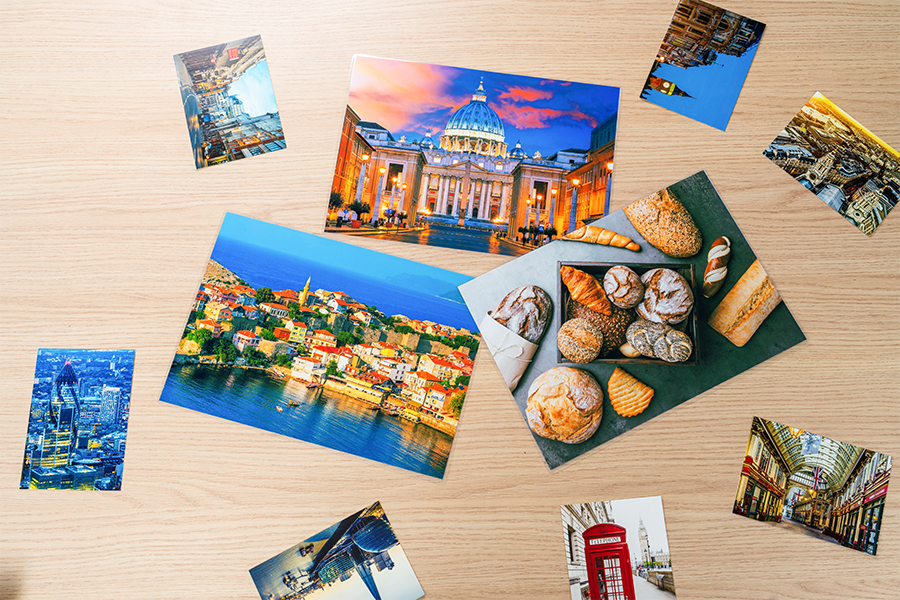
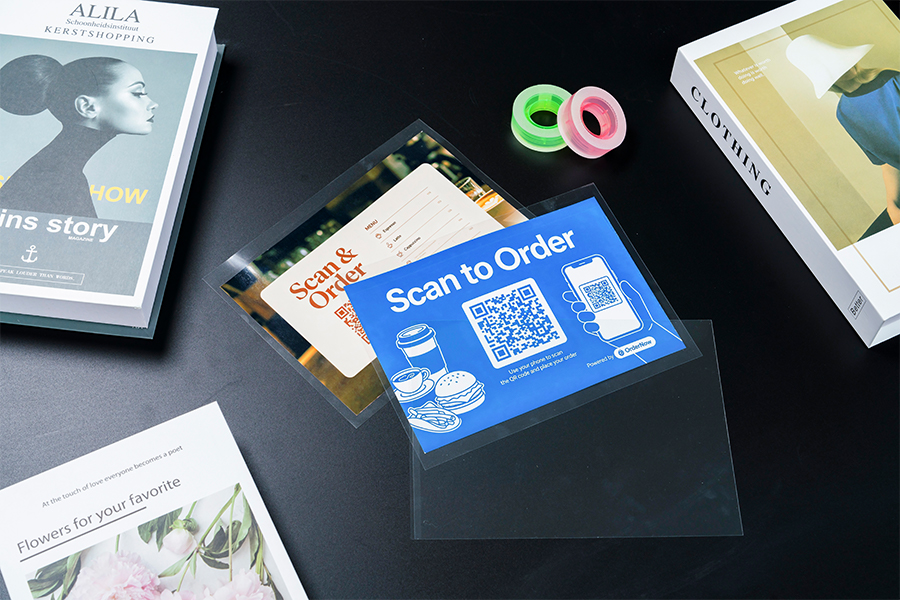
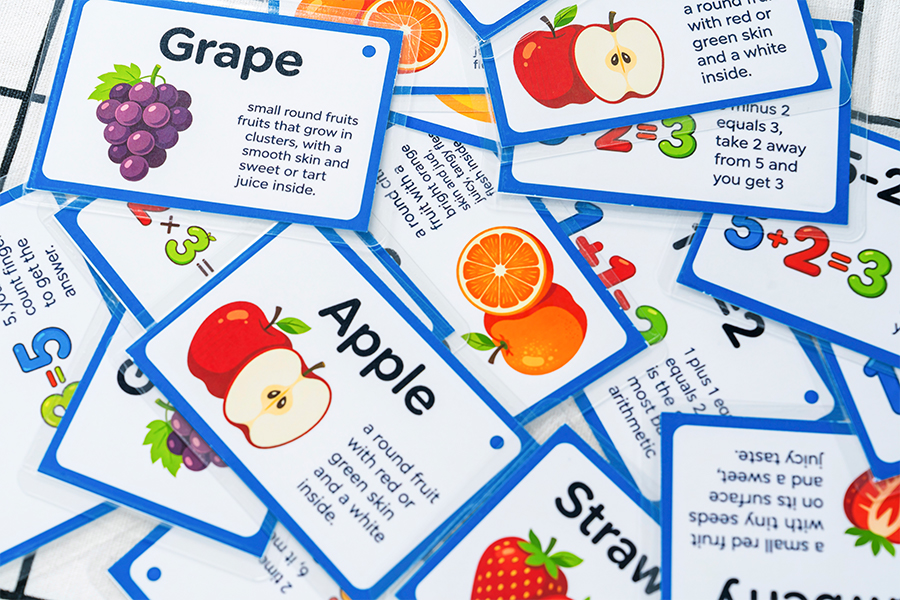
These issues are particularly problematic in applications where appearance is critical, such as photos, posters, certificates, and instructional cards.
Many people's first reaction is: Is the laminating machine too hot? Is the machine pressure insufficient? Is the laminating film of poor quality?
In fact, from a lamination process perspective, while both bubbles and water ripples manifest as "uneven lamination," their causes are different. Moreover, the problem often doesn't solely stem from the equipment.
I. Lamination is essentially a "coordination" of materials and temperature
Many people believe lamination is simply putting paper into a machine and heating it. In reality, a series of changes occur within the laminating film within just a few tens of seconds.
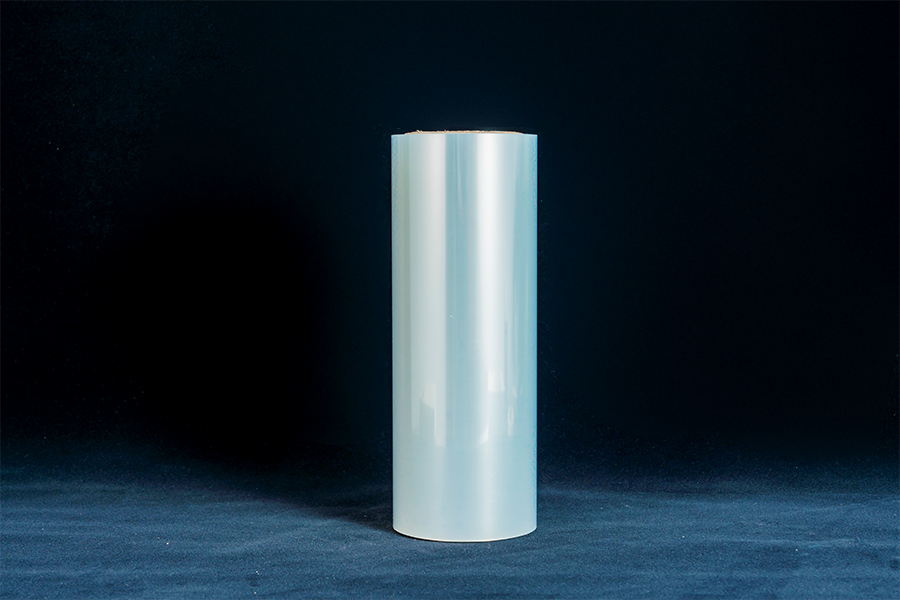
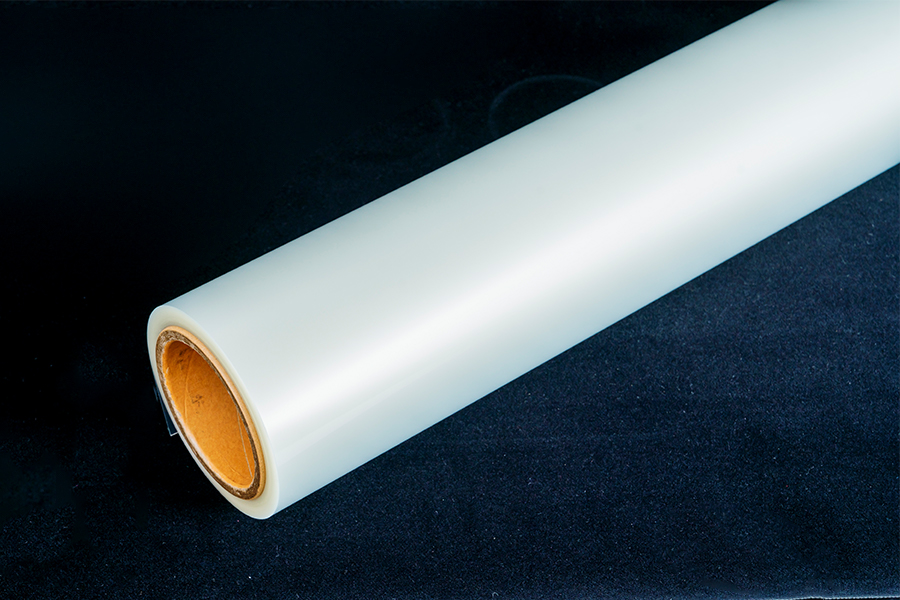
Laminating film typically consists of a PET base layer and an EVA hot melt adhesive layer. Once inside the laminator: the PET layer maintains transparency and stiffness; the EVA layer gradually melts upon heating, bonding with the paper surface. Simultaneously, pressure rollers continuously expel air between the film and paper, ultimately forming a complete composite system.
Ideally, the laminated surface should be:
• Smooth • Transparent • No bubbles • No ripples
However, a deviation in any of these steps can lead to defects.
II. Even seemingly minor "bubbling" can indicate three completely different problems.
Many users refer to all surface abnormalities as bubbles. However, in actual production, they can be categorized into at least three types:
1. Incomplete air expulsion
This is the easiest to understand. For example:
• Curled paper • Uneven edges of contents • Air trapped during lamination
When air cannot be completely expelled, it becomes trapped inside the film. The resulting bubbles are usually quite noticeable, with clear boundaries, and feel noticeably bulging to the touch.
In this situation: equipment pressure, film infeed angle, and the flatness of the contents are often more important than temperature.
2. Moisture from the paper "escapes"
This is a problem many users easily overlook. Paper itself is hygroscopic, especially: • Inkjet printing paper • Coated paper • Photo paper • Documents stored for a long time
These materials absorb moisture as the ambient humidity changes. When the lamination temperature reaches above 100°C, the internal moisture rapidly vaporizes. If the vapor cannot release in time, it forms dense small bubbles.
Many people mistakenly believe it's a problem with the adhesive layer. In fact, this is a typical phenomenon caused by excessive moisture content. This is especially common during the rainy season or in humid southern regions.
3. The adhesive layer hasn't truly "melted"
EVA hot melt adhesive doesn't work immediately upon heating. It needs to reach a suitable activation temperature. If the temperature is too low or the lamination speed is too fast, the adhesive layer cannot flow sufficiently. At this point, although the surface has been laminated, the film and paper are not actually fully bonded.
The final effect is similar to: • Localized whitening • Foggy areas • Microbubbles
This problem often occurs during thick film sealing. The thicker the film, the longer the heat transfer time.
III. Water ripples: Why are they more difficult to solve than bubbles?
While bubbles can be improved by adjusting temperature and speed, water ripples are often more complex. This is because it involves not only equipment but also the material itself.
It's often said in the industry: bubbles can be improved through processing, but ripples ultimately depend on the material itself. This statement is not without merit.
IV. The essence of water ripples is the release of material stress
PET is a very stable polyester material. However, any polymer material generates internal stress during production. When the sealing machine heats up, these originally "locked" stresses are gradually released. If there are differences in the shrinkage rate of different areas of the film, slight deformation will occur. This deformation may be invisible to the naked eye, but it will appear under light reflection as:
• Wavy texture • Water ripple texture • Silver texture • Orange peel texture
This is especially noticeable in large-area applications such as posters, advertisements, photos, and display materials.
V. Why are A3 posters more prone to wavy textures than A4 documents?
Many print shops have found that the same roll of laminating film produces excellent results when laminating A4 certificates, but is more likely to produce wavy textures when laminating A3 posters.
The reason is actually quite simple. The larger the area, the more easily the tiny differences in shrinkage within the material are magnified. What might have been a mere 0.1% change in heat shrinkage can create noticeable surface undulations on large-format materials.
Therefore: The larger the size, the higher the requirements for the stability of the PET base layer and the lamination process.
VI. Why is the quality of King's laminating film stable?
For King's laminating film, true quality is not just about the smoothness at the moment of lamination. It's about maintaining stability after experiencing "long-term storage," "frequent reading," and "temperature and humidity changes." This tests the synergy between materials and processes. Kings Molding has been deeply involved in the molding film industry for many years. Relying on mature extrusion lamination technology and a strict quality management system, it optimizes the entire process from PET raw material selection and EVA adhesive layer ratio to lamination process control.
By stably controlling material shrinkage rate, adhesive layer uniformity, and lamination tension, it reduces the risk of ripples and deformation caused by thermal stress release. At the same time, it offers a variety of thicknesses and functional product options for different application scenarios, helping customers achieve more stable molding effects in areas such as office stationery, school education, advertising displays, document protection, and DIY creative products.
Wholesale Laminating Film Roll Manufacturers





 English
 русский
 Español
 Português